Most homeowners never give built-in seating a second thought until they have spent a season or two wrestling with patio furniture. Hauling it inside before a storm rolls through, digging it out of storage every spring, replacing pieces once they wear out, and rearranging everything each time a gathering grows or shrinks, it all wears thin over time. Talking to
top-rated deck contractors in Winston-Salem, NC often reveals that
custom deck installation with built-in seating solves these headaches at the source, giving a deck a cleaner look and better function than freestanding furniture ever could, something many homeowners notice right away once the work is finished.
Here is what built-in seating actually offers once it's part of your deck, and when adding it makes sense.
More Usable Space Without the Furniture Footprint
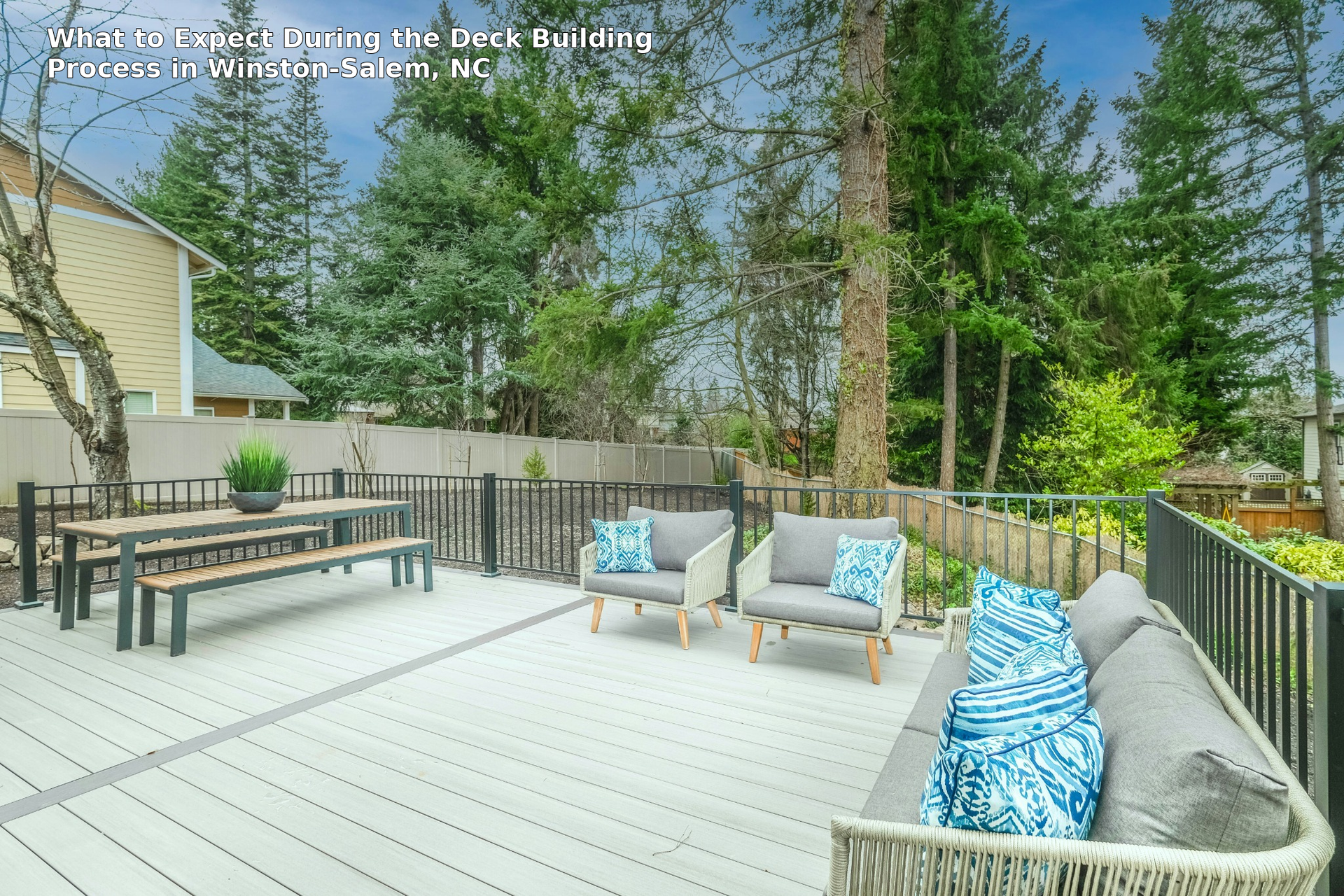
Freestanding patio furniture takes up more floor space than most homeowners expect before they measure. It is not just the chairs. It is the clearance needed to pull chairs back from the table, the walking paths around each piece, and the space required to move through the deck without bumping into furniture at every turn. On a smaller deck, that clearance eats into usable square footage faster than the furniture dimensions alone suggest.
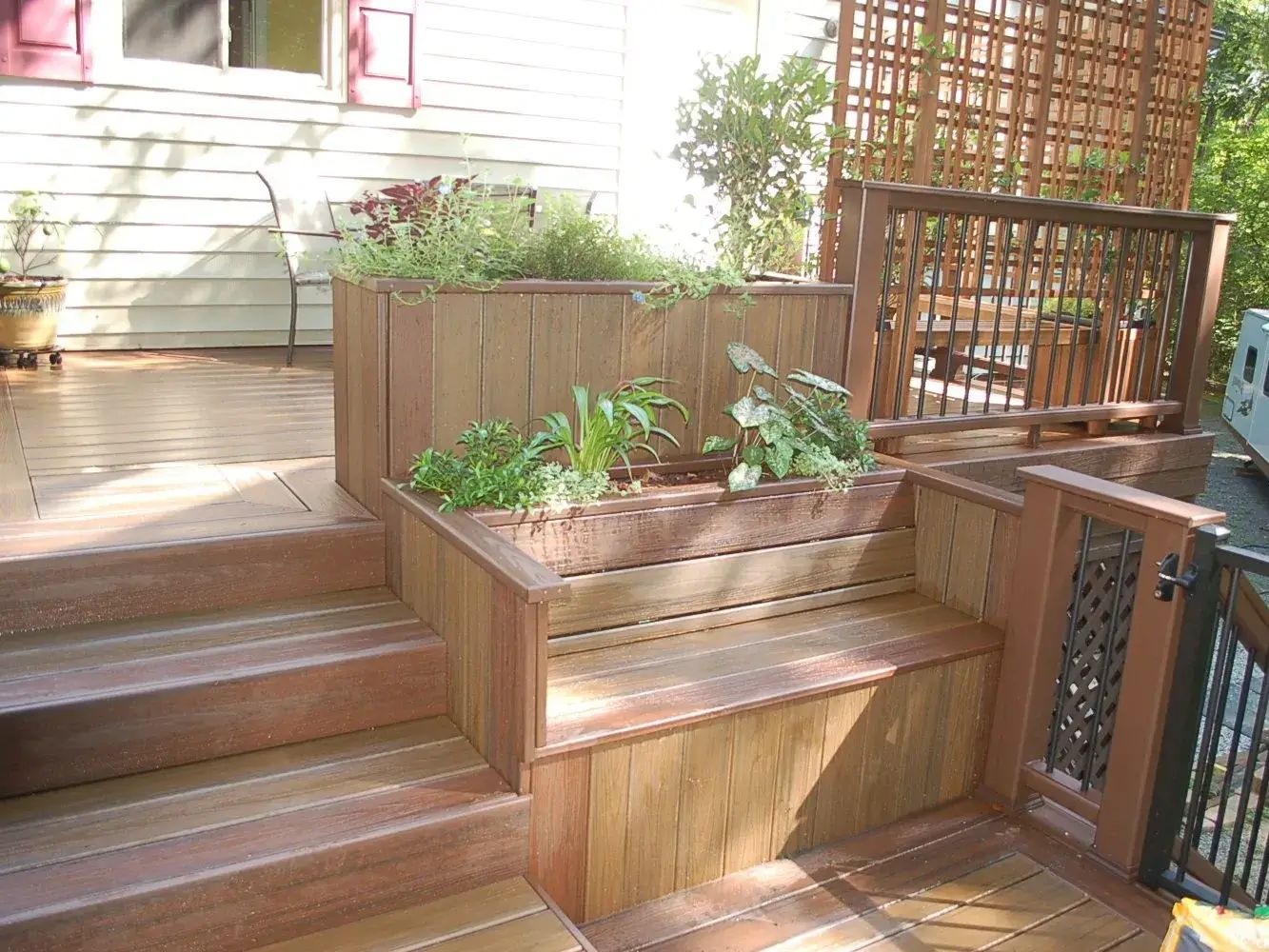
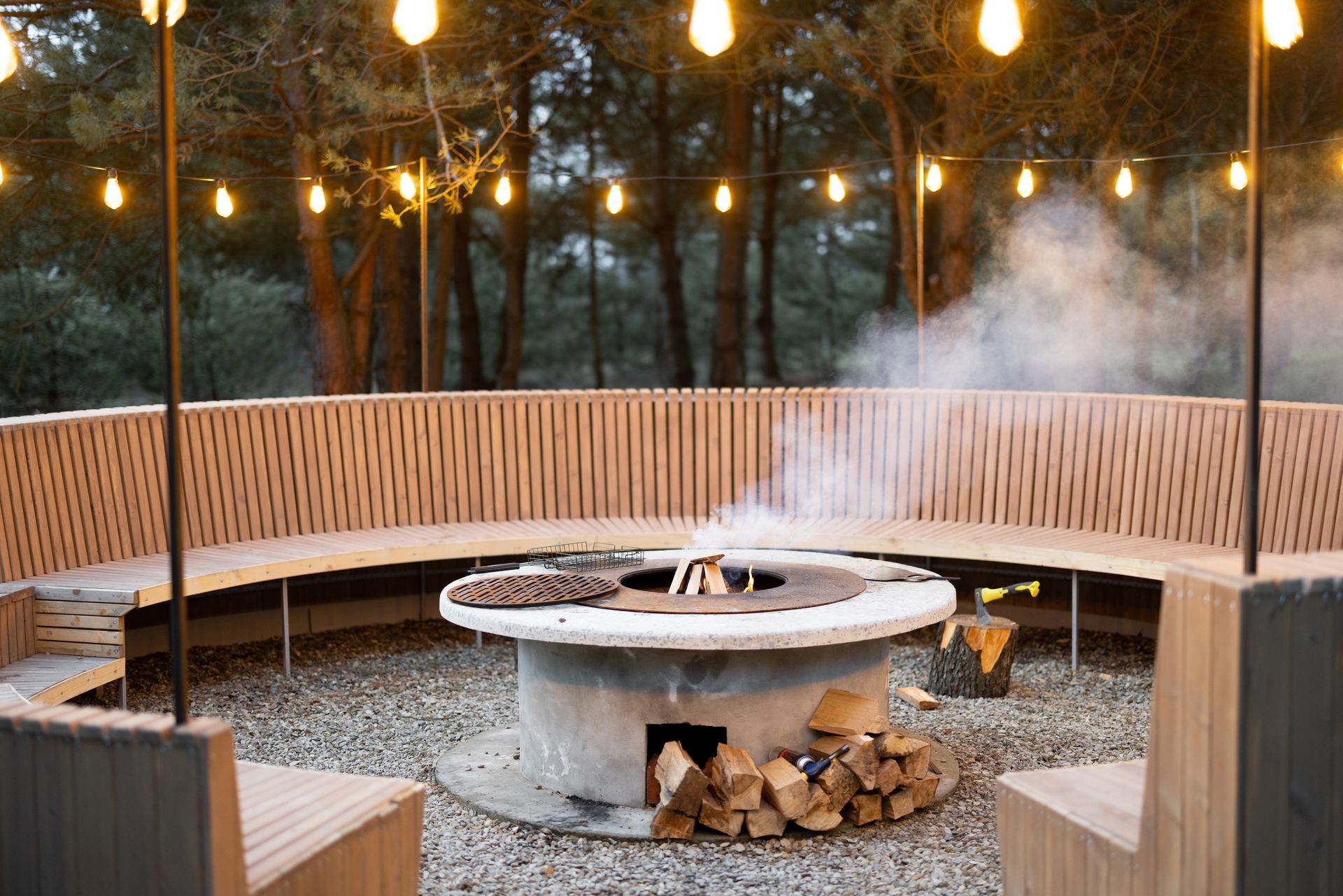
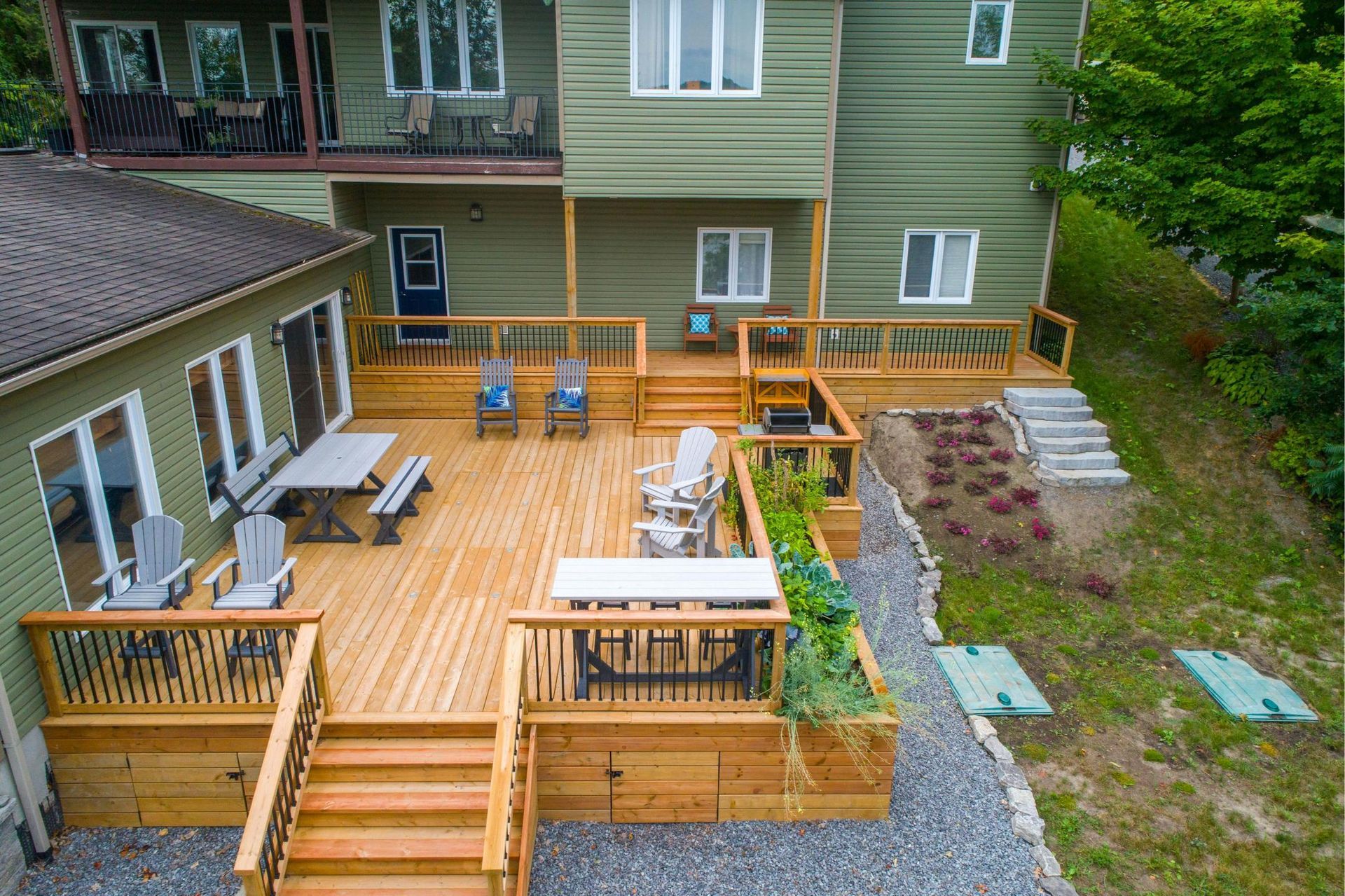
Built-in bench seating runs along the deck perimeter or along defined edges and does not require the same movement clearance to function. Seating that sits against the railing line or wraps a corner opens up the center of the deck for a dining table or gathering area without reducing seating capacity.
For homeowners in Wilshire, Williamsburg Square, and similar Winston-Salem neighborhoods where lot sizes and deck footprints are moderate, built-in seating is often the difference between a deck that comfortably handles a group of eight and one that starts to feel crowded past four.
Built-In Seating Holds Up to Piedmont Triad Weather
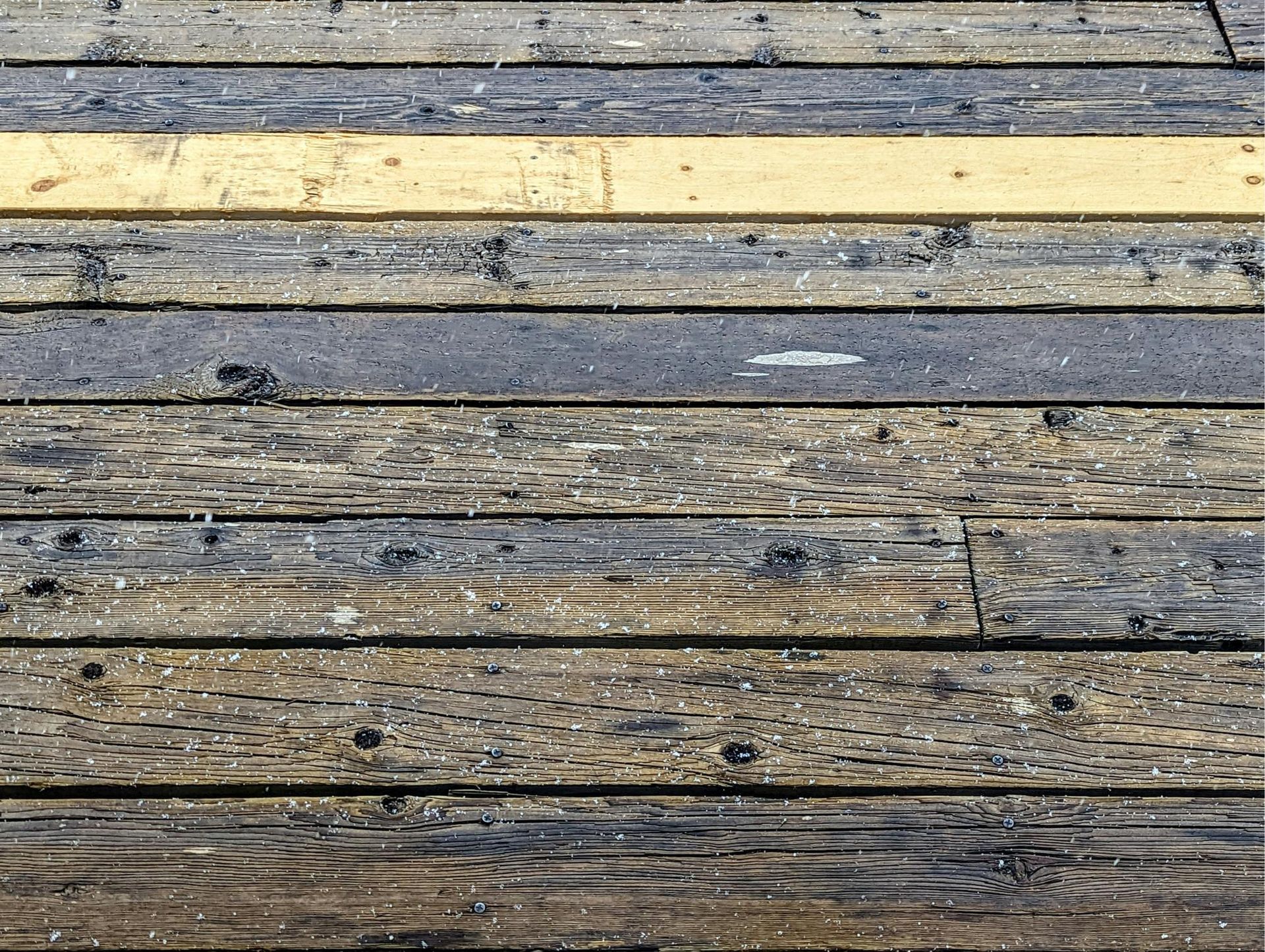
Patio furniture has a lifespan. Even well-made outdoor dining sets fade, corrode, or degrade over a few years of Piedmont Triad summers. The combination of UV exposure, heat, humidity, and occasional hard freezes takes a toll on most materials over time. Replacing or refreshing freestanding furniture is an ongoing cost that often doesn't show up in the initial deck budget conversation.
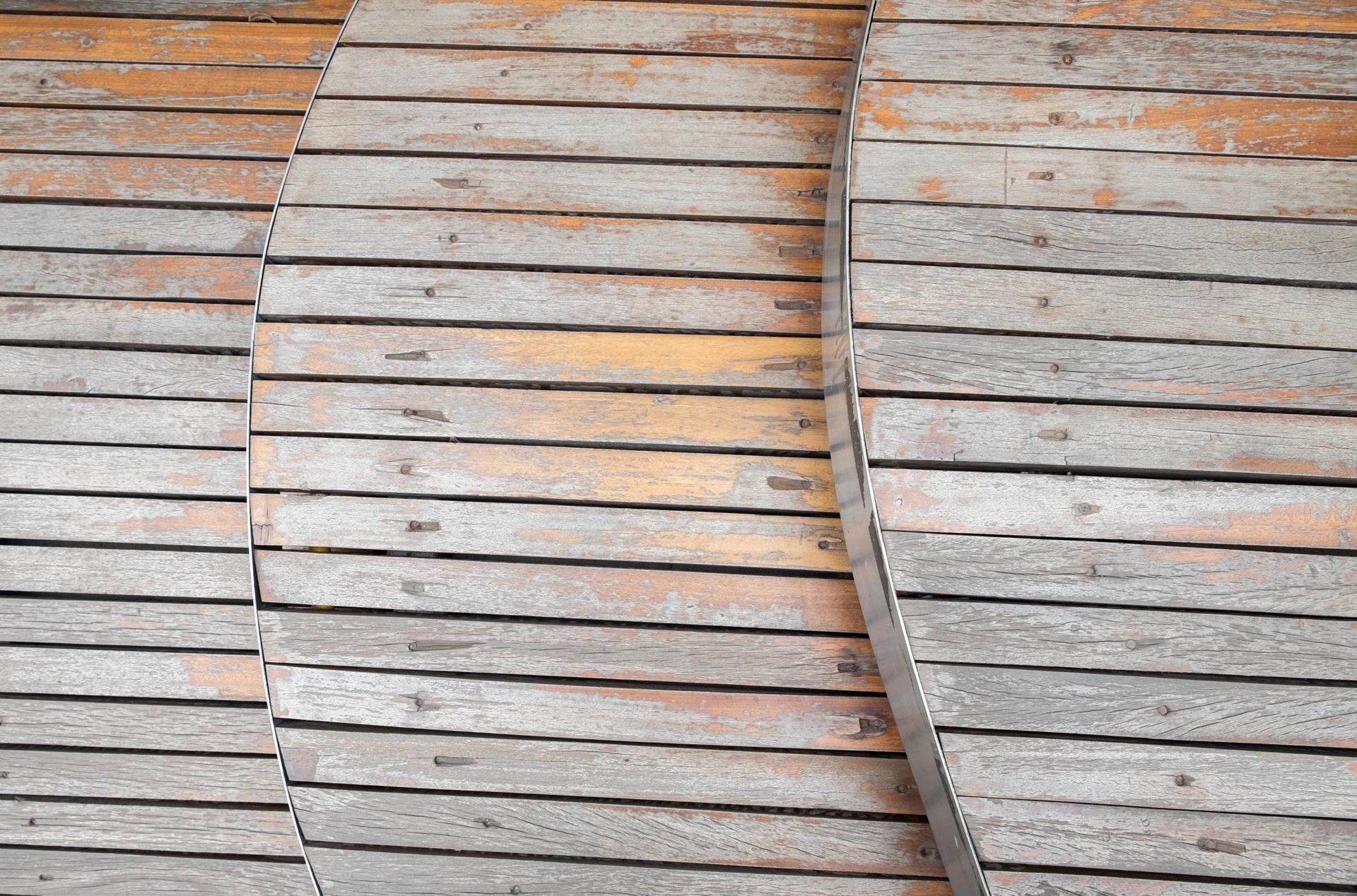
Built-in bench seating, built from composite or properly finished pressure-treated lumber, holds up to the same conditions the rest of the deck structure is designed to handle. There is no cushion to store in the off-season, no aluminum frame to address before spring, and no rust appearing at connection points after the second winter. The seating is part of the deck, and it requires roughly the same maintenance as the rest of the structure.
For homeowners building a composite deck, extending that same material to the built-in seating creates bench surfaces that match the decking, resist the same conditions, and require no additional maintenance beyond what the rest of the deck already needs.
Design Options That Fit Different Deck Layouts
The Long-Term Cost Comparison
Quality outdoor dining furniture from a reputable brand runs from several hundred to several thousand dollars for a full set, depending on materials and style. That furniture will likely need to be replaced or significantly refreshed within five to ten years in a climate like the Piedmont Triad's, particularly if it sits exposed through warm months.
Built-in bench seating costs more to install than freestanding furniture initially, but it does not carry a replacement cost, a storage consideration, or a separate budget line for outdoor furniture when homeowners are working through a broader outdoor improvement project. The long-term math tends to favor built-in for homeowners who plan to stay in their home for a decade or more.
Adding built-in seating during a new deck build also costs less than adding it as a standalone project afterward. The carpentry is part of the same mobilization, and the material quantities are planned together. Retrofit bench additions are possible and we do them, but the economics are better when it is part of the original build.
How Built-In Seating Fits a Larger Outdoor Design
Built-in seating works best when it is part of the deck design from the beginning rather than an afterthought. The most successful projects we work on in Winston-Salem include a conversation about how the homeowner plans to use the deck before any layout decisions are finalized, and that conversation almost always touches on seating.
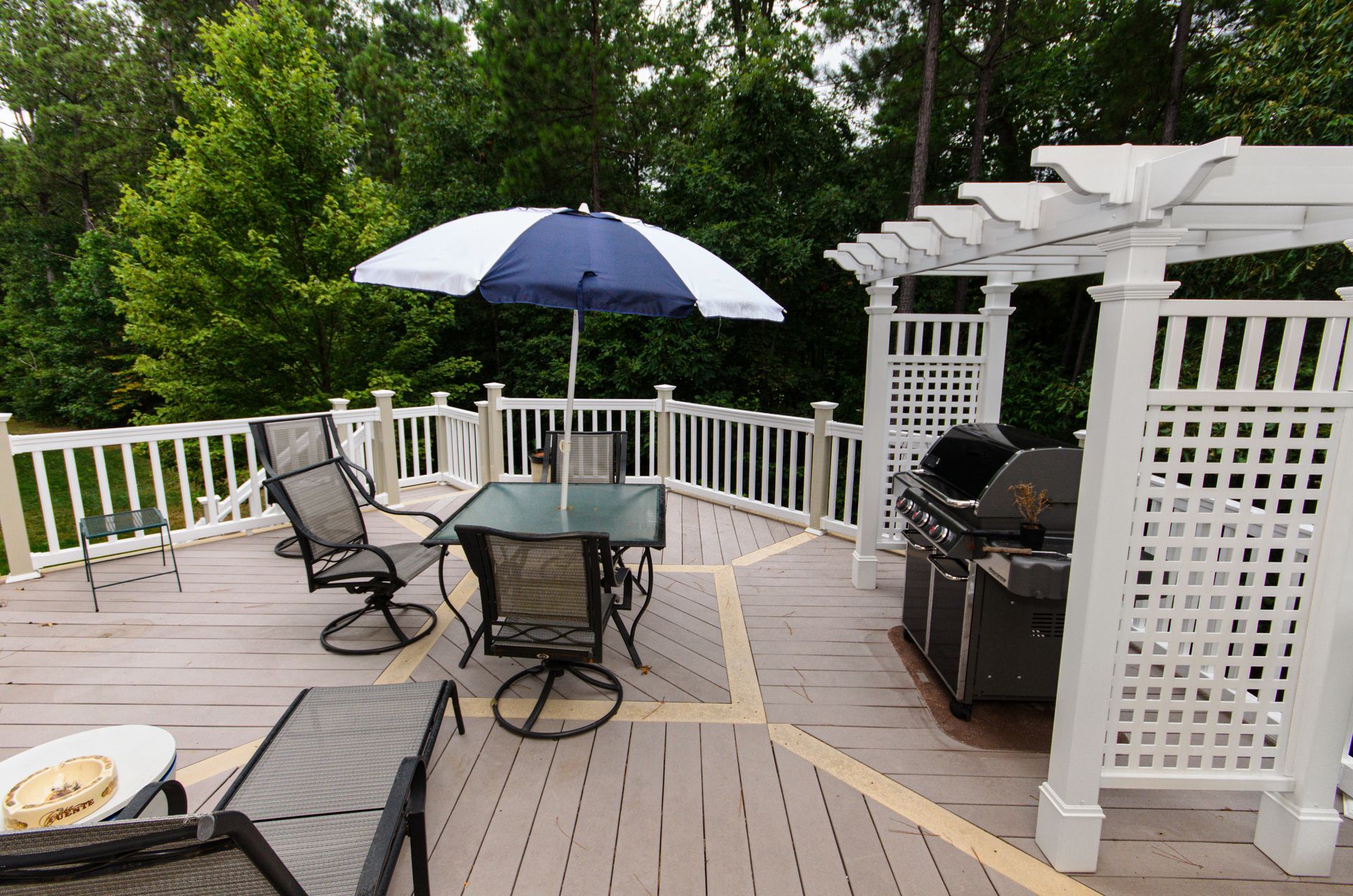
A family that plans to host dinners for eight needs the seating to be part of the layout from day one. Built-in benches along two sides, a table in the center, a pergola overhead. Those elements together create a cohesive dining area that looks intentional and functions well. Adding a bench as a retrofit after the deck is built can work, but the result is rarely as integrated as when it was part of the original plan.
Adding Built-In Seating to an Existing Deck
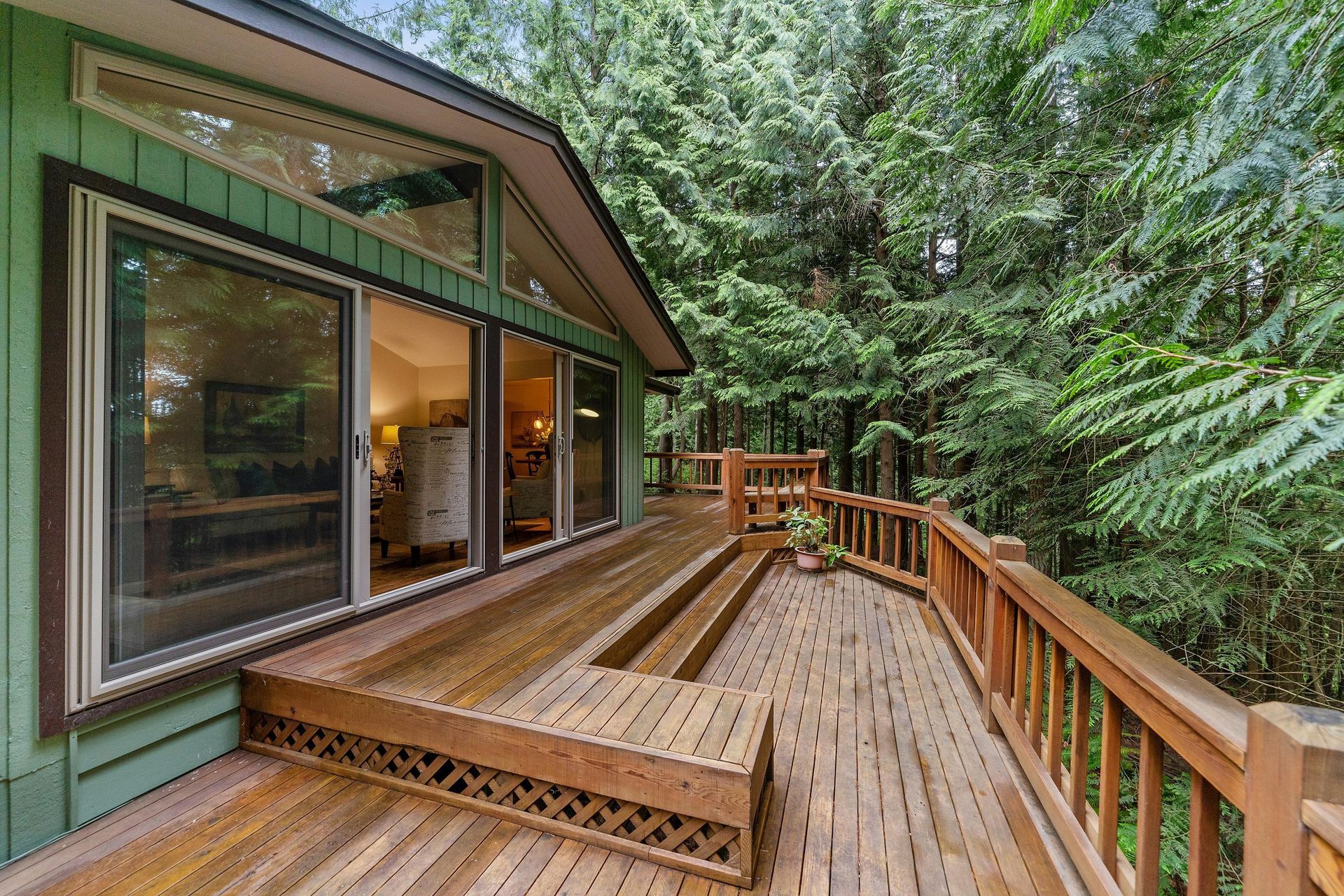
Built-in bench seating can be added to an existing deck when the structure is in good shape and the layout allows for it. We look at the existing framing during a site visit and advise on what makes sense, whether that is a simple bench along the railing, a wraparound configuration, or step seating integrated into a level change.
If the deck itself is aging, a combined deck replacement and seating build often produces a better structural result and a more cohesive finished product than adding new elements to a structure that is already past its best years. Owner Steve Peterson reviews the structure during the estimate and gives a direct recommendation on which direction makes sense.
For homeowners in Winston-Salem, Kernersville, Clemmons, Advance, and across the Piedmont Triad who want to talk through built-in seating for their deck, visit
deckedoutofthetriad.com to get in touch.