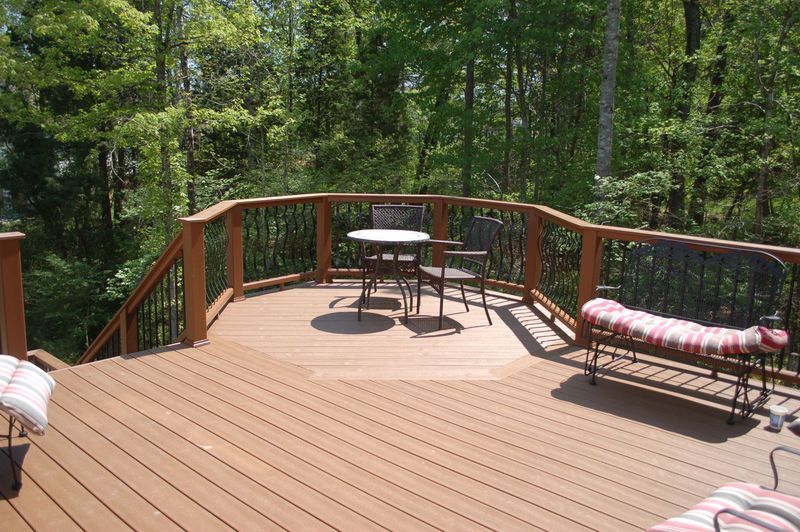
How to Build a DIY Deck in Winston-Salem, NC: A Step-by-Step Guide
Building your own deck is not a weekend project. It takes real carpentry skill, a working knowledge of NC building code, and the patience to manage a permit process through Forsyth County from start to finish. This guide covers what is actually involved so you can go in with clear expectations. If the scope starts to feel like more than you want to take on, professional deck contractors like Decked Out of the Triad offer free estimates and handle everything from permitting through final inspection.
What to Know Before You Start
An attached deck in Winston-Salem requires a building permit through Forsyth County. There is no gray area here. You will need a site plan, a structural plan that meets the NC Residential Building Code, and footing specifications matched to your property’s soil conditions.
North Carolina law also requires a licensed General Contractor for any construction project valued at $30,000 or more. If your project reaches that threshold, you cannot legally act as your own contractor without the proper license. Knowing your budget before you begin is important.
Step 1: Plan Your Deck Design
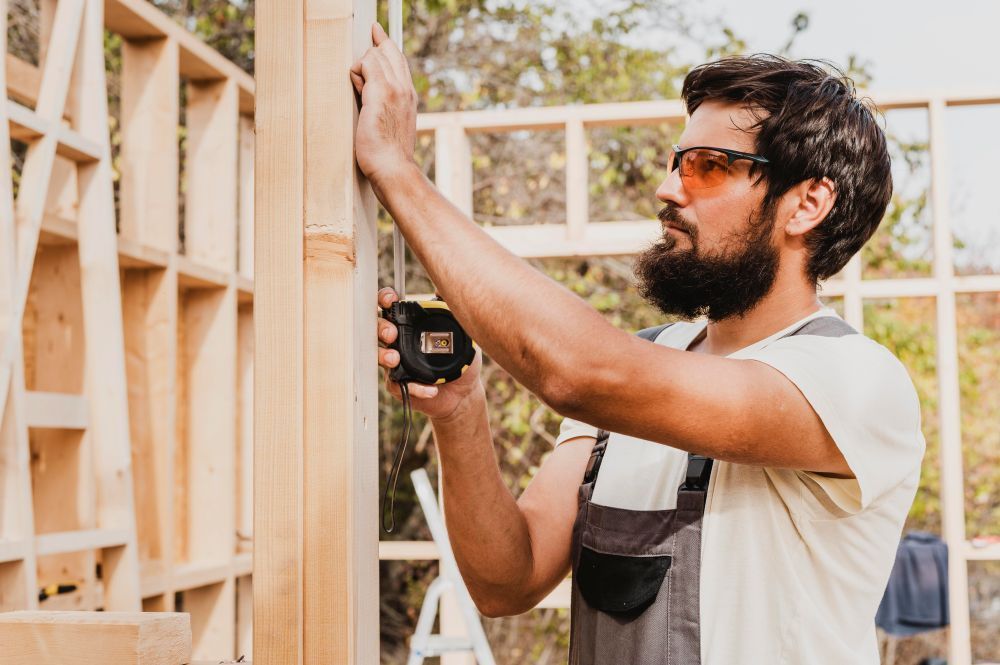
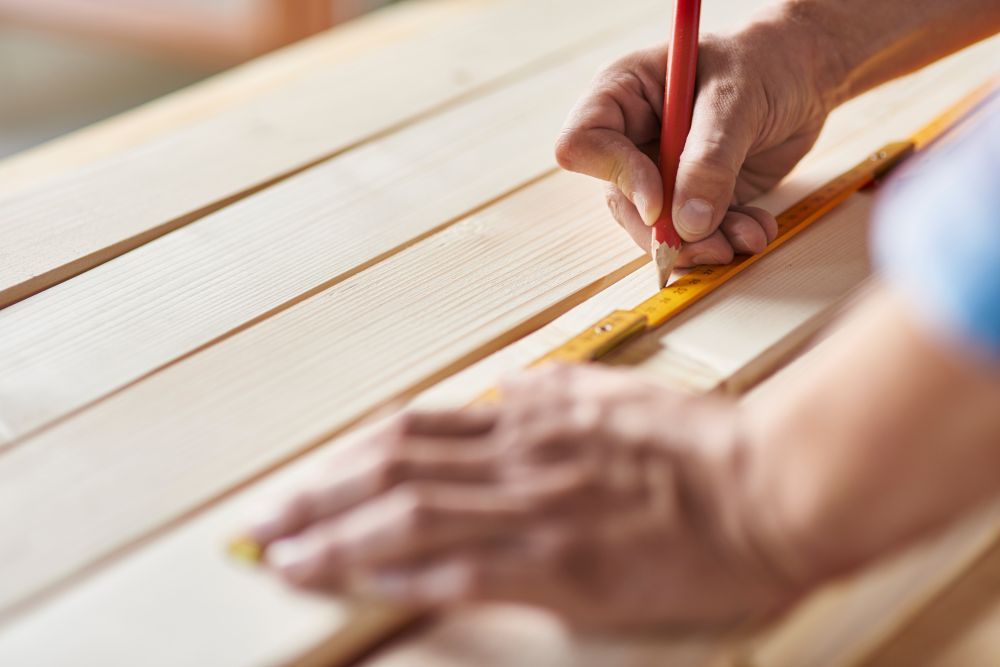
Measure the area behind your home and determine where access points and stairs will be placed. Sketch a layout that includes post locations, beam spans, and the direction of the decking boards.
Residential decks are typically built to support a live load of 40 pounds per square foot. Your design needs to account for that. Lumber suppliers can often help confirm proper sizing for beams and joists based on your layout.
Step 2: Pull the Permit in Forsyth County
Submit your plans to the Forsyth County building inspections office before starting any work. This includes a site plan showing placement and a structural plan detailing framing, footings, and railings.
Permit approval usually takes one to three weeks. Construction should not begin until the permit is issued. Confirm requirements and fees with the county before submitting.
Step 3: Choose Your Materials
For framing, use .40 ACQ pressure treated lumber rated for ground contact where posts meet the soil. For the decking surface, you can choose between pressure treated wood and composite materials such as Trex.
Composite decking costs more upfront but requires less maintenance. Wood decking needs regular sealing and staining to hold up in North Carolina’s humid conditions.
Step 4: Set Your Posts and Footings
Dig footing holes and install forms or anchors according to your approved plan. An inspection is required before pouring concrete, so schedule that step in advance.
Footings must meet the required depth and specifications outlined in your permit. Following these requirements is critical for structural stability.
Step 5: Frame the Deck
Install the ledger board first, securing it to the home with proper fasteners and flashing to prevent water intrusion. This connection is one of the most important parts of the build.
After the footings cure, set the posts, install beams, and attach joists at the correct spacing. Standard spacing is 16 inches on center, though some composite products may require tighter spacing.
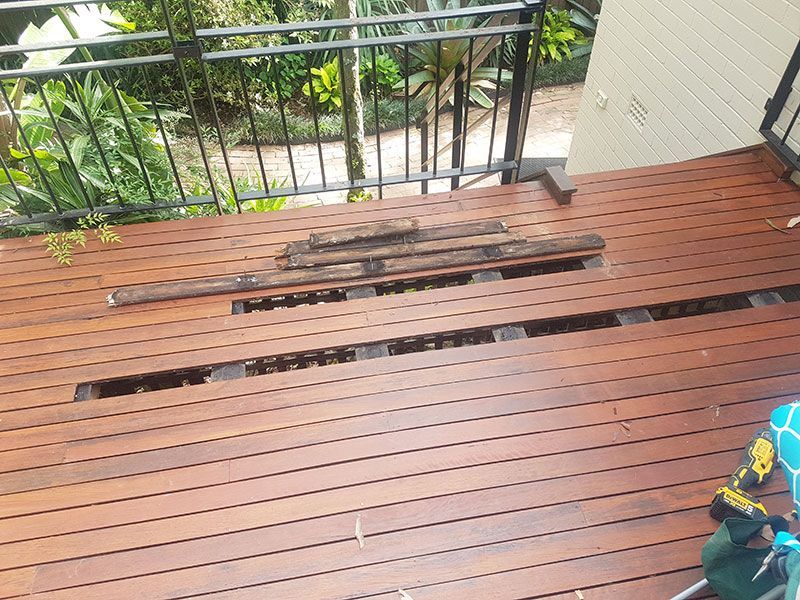
Step 6: Install the Decking Boards
Begin installation at the house and work outward. Use consistent spacing between boards to allow for drainage and expansion.
Follow manufacturer guidelines carefully if using composite materials. Proper spacing and fastening are important for both performance and warranty coverage.
Step 7: Install Railings and Stairs
Decks over 30 inches above grade require guardrails. Rail height must meet code, and spacing between balusters must follow safety standards.
Stairs must be built with consistent rise and run measurements. Handrails are required for staircases with multiple steps. Accuracy here is essential to pass inspection.
Step 8: Schedule Your Final Inspection
Once construction is complete, schedule the final inspection. The inspector will review the structure, railings, stairs, and overall compliance with building code.
Passing inspection finalizes the permit and ensures the deck is documented as code compliant. Keeping this documentation is important for future resale.
When to Call a Licensed Contractor Instead
Some projects involve conditions that make DIY construction more complex, such as sloped yards or multi-level designs. In those cases, the risk of mistakes increases.
Working with a licensed contractor can simplify the process and ensure the project meets all requirements. Decked Out of the Triad has extensive experience building decks and outdoor structures across Winston-Salem and surrounding areas, managing each project from planning through completion.
Related topics: